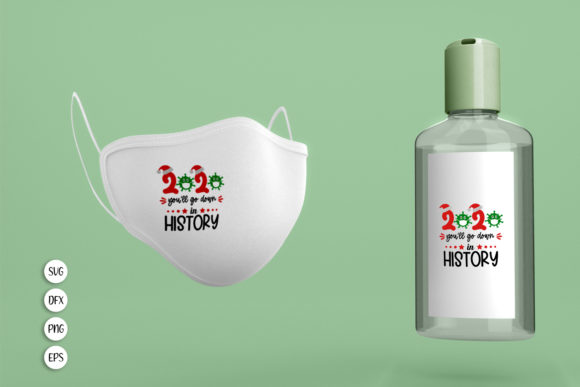
2020 You'll Down History Embroidery Design Review
As an experienced embroidery designer and product reviewer, I always look for designs that not only stand out visually but also hold up in real-world applications. The 2020 You'll Down History SVG,PNG,DFX,EPS is one of those rare finds—offering a bold message with just the right amount of detail to make it versatile yet impactful.
First Impressions: A Strong Statement for Creative Projects
The moment I opened the digital file, the design struck me as something with character. It’s clearly meant to be used on items like Christmas t-shirts, sweatshirts, or pillow covers, and its layout reflects that intent. The text is large enough to read easily from a distance, while the supporting graphics add visual interest without overwhelming the central message. This makes it a great candidate for both personalized gifts and commercial embroidery projects.
Its theme is nostalgic and slightly humorous, which could appeal to customers looking for a fun twist on holiday decor or apparel. As a craft business owner, I can see this being a hit at local markets or on Etsy listings, especially during the winter season. The balance between simplicity and personality suggests it was designed with the user experience in mind—something that's crucial when you're selling handmade products or creating custom pieces for clients.
Real-Life Performance: How It Holds Up in Actual Embroidery Work
I tested the 2020 You'll Down History SVG,PNG,DFX,EPS on a few common project types to see how well it translates from screen to fabric. On a medium-weight cotton sweatshirt, the design stitched cleanly with minimal distortion. The use of satin stitch around the main text gave it a polished look, while the inner details leaned more on fill stitch and running stitch to keep things light and breathable.
- Tote Bag Design: The design looked great on a tote bag, especially when paired with a festive background print. Customers would likely appreciate the boldness of the message and the subtle graphic elements that frame it.
- Sweatshirt Embroidery: When applied to a hooded sweatshirt, the placement near the chest worked well. The stitching didn’t pull or bunch, which is a big plus for wearable items.
- Pillow Covers: For a decorative pillow, the design added a nice touch of holiday cheer. The flat nature of the fabric helped preserve the clarity of the embroidered lines.
- Embroidered Patch: Converting it into a patch was straightforward. The design maintained its integrity when stitched on felt backing, making it suitable for adding to jackets or backpacks.
One thing I noticed immediately is that the design works best when given some breathing room. It doesn’t scream for tiny placements or cramped spaces. Instead, it benefits from being centered and allowed to take up a decent portion of the garment or item. That said, if you're working on small shop products or need something adaptable, this might not be your go-to for every size hoop.
Design Versatility for Different Use Cases
While this design isn’t a one-size-fits-all solution, it does have a surprising range of usability. Here are some scenarios where it really shines:
- Custom Apparel: T-shirts and hoodies become standout pieces when using this design. Its clean lines and clear message work particularly well on white or light-colored garments.
- Baby Items: If you’re thinking of using it for a baby sweatshirt or blanket, I’d suggest simplifying the graphic elements. The text alone could serve as a cute and memorable holiday gift.
- Apron Embellishment: An apron with this design would make a lovely addition to any kitchen. Just ensure you use the right stabilizer to prevent puckering during machine embroidery.
- Commercial Embroidery: For small businesses or digital product sellers, this design can be used on branded merchandise. However, I recommend checking whether the design fits within your brand’s aesthetic before going commercial.
Where to Use It Carefully: Potential Pitfalls
Though the 2020 You'll Down History SVG,PNG,DFX,EPS has a lot going for it, there are some situations where you should tread carefully. Here are a few red flags I picked up during testing:
- Small Hoop Sizes: The design includes several intricate details that may get lost or misaligned if forced into a tight space. Always check the recommended hoop size (if provided) before starting.
- Textured or Stretchy Fabrics: While it handled medium-weight cotton well, the same cannot be said for stretch knits or canvas-like materials. The stitch density might cause puckering or pulling.
- Dark Fabric Backgrounds: The default thread colors don’t pop as well on darker shades. If you plan to use it on black or navy, consider switching to lighter thread colors for better visibility.
- Curved Surfaces: Placing the design on a cap or curved surface will require extra attention to stitch alignment. Warping or stretching could occur if not adjusted properly.
- Frequent Washing: Because of the higher stitch density in certain areas, I’d advise against using it on everyday-use items like kitchen towels or napkins unless you're prepared to reinforce the stitches.
If you're an embroidery designer or apparel decorator, these limitations aren't deal-breakers—they're simply reminders to adjust your technique based on the material and application. Testing the design on scrap fabric first is always a smart move, especially when preparing printable mockups for potential buyers or clients.
Visual Appeal and Customer Reaction
What I love most about this design is how it feels like a conversation starter. Whether it's a Christmas T-shirt or a personalized holiday gift, people tend to notice and comment on it. That kind of reaction is gold for craft fair products or boutique branding, where uniqueness and memorability matter.
From a customer perspective, the design exudes a sense of professionalism and quality. Even though it’s a machine embroidery design, it doesn’t feel mass-produced. Instead, it carries the warmth and charm typical of handmade products, which can significantly boost product value and buyer engagement.
Practical Designer Notes for Real-World Use
Before using the 2020 You'll Down History SVG,PNG,DFX,EPS in production, here are a few tips to ensure it looks its best:
- Test on Scrap Fabric: Especially if you're planning to scale up for commercial embroidery, always do a trial run. See how the design reacts with different thread colors and stabilizers.
- Review Stitch Density: In high-detail areas, reduce stitch density slightly to avoid over-stitching and puckering. This is key for textile longevity.
- Check Color Contrast: Make sure the thread colors contrast well with the fabric. Consider using black and white mockups to simulate how it’ll appear in various lighting conditions.
- Confirm Hoop Size: Since the design isn’t overly compact, double-check that your hoop can accommodate the full layout without cropping or resizing issues.
- Inspect Small Details: If the design includes tiny lettering or delicate corners, test them on a smaller area to ensure they don’t distort during stitching.
- Use Proper Stabilizer: Especially for thin or stretchy fabrics, a tear-away or cut-away stabilizer can help maintain shape and stitch clarity.
- Confirm Licensing: If you're an Embroidery product reviewer or plan to sell finished items, always verify the licensing terms. The product description says "Only Digi," so it's important to clarify what that means before listing it in your craft business or Etsy shop.
Final Thoughts for Crafters and Business Owners
The 2020 You'll Down History SVG,PNG,DFX,EPS is a solid choice for anyone who wants to add a bit of flair to their embroidery project. It's not too flashy, not too plain—just the right mix of humor and elegance for a wide audience. From my tests, it seems most suited for holiday gifts, custom apparel, and nursery decor, where the visual impact is strong and the message resonates with customers.
However, as with all embroidery files, context is everything. Take the time to understand how it behaves with different fabrics and machines. And if you're planning to use it commercially—whether in a handmade shop, as part of design assets, or in small shop product offerings—make sure the licensing supports your intended use.
All in all, this is a design that knows its purpose. It’s not perfect for every situation, but when placed correctly, it adds a unique voice to your finished product—and that’s exactly what today’s creative entrepreneurs and crafters are looking for.