First Rule of 2021 SVG Review: A Designer’s Practical Take
As an experienced embroidery designer and product reviewer, I’ve had the chance to work with countless digital embroidery files over the years. When I first opened the First Rule of 2021 SVG, I was immediately drawn in by its clean lines and bold message. This isn’t just another design—it’s a statement piece that feels ready for real-world application. In this review, I’ll walk through how it fits into various embroidery projects, what to watch out for, and why it might be a valuable addition to your craft business or personal handmade items.
First Impressions: Mood and Visual Personality
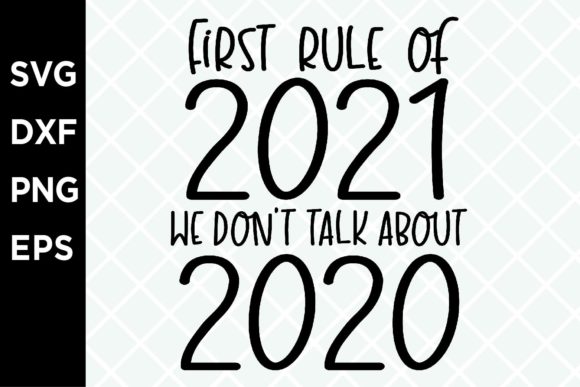
The First Rule of 2021 SVG carries a strong visual identity right from the start. Its layout is straightforward but impactful—centered text with minimal surrounding graphics makes it feel modern and purposeful. The font style is crisp and clear, which suggests good readability after stitching. The theme is versatile enough to suit both casual and slightly more formal products, making it a great fit for custom apparel, tote bags, baby items, and even boutique branding efforts.
I appreciated how the design avoids clutter while still maintaining enough detail to feel intentional. It doesn’t scream for attention, yet it commands it. This balance makes it suitable for a range of handmade products, especially those where the message matters more than the embellishment. For instance, if you're preparing a sweatshirt for a personalized gift or a tote bag for a small shop, this design could become the focal point without overwhelming the rest of the project.
Design Layout and Detail Level
One thing I always look for in an embroidery file is how it handles corners and curves. In this case, the edges are smooth and well-defined, suggesting solid performance on most fabrics. The letters are spaced evenly, and there's a subtle variation in stroke width that adds character without sacrificing stitch clarity. However, because of the fine detailing in some areas, particularly in the corners and inner parts of characters, this design may require extra care when using on stretchy or textured materials.
Real-World Embroidery Use Cases
This design shines in a few key areas. Let’s break down where I see it performing best:
- Custom Apparel: Sweatshirts, t-shirts, and hoodies benefit from this SVG’s simplicity. The bold text works well as a front-and-center logo or slogan.
- Baby Items: The clean lines make it ideal for embroidered onesies, bibs, or hats. It’s soft enough not to distract from the overall cuteness of the item.
- Tote Bag Design: Whether you’re making a reusable grocery bag or a promotional item, this design brings a professional look that customers will appreciate.
- Embroidered Patch: As a patch design, it holds up well, especially if you plan to use it on jackets, backpacks, or denim.
- Small Shop Merchandise: If you run an Etsy store or sell at local craft fairs, this could serve as a consistent brand element across different products like aprons or pillow covers.
- Holiday and Wedding Gifts: With a little tweaking, the First Rule of 2021 SVG can easily adapt to seasonal themes or special events, adding a touch of personality to personalized gifts.
Its adaptability also makes it a good candidate for printable mockups and digital product previews, especially if you’re offering design assets for others to use in their own craft businesses. The ZIP folder format included here is standard for digital embroidery files, so it integrates smoothly into workflows that involve sublimation printing or heat transfers.
Where Caution Is Needed
While the First Rule of 2021 SVG is versatile, there are a few situations where you should tread carefully:
- Small Hoop Sizes: The design has a decent footprint, so placing it in a tiny hoop might lead to loss of detail or readability.
- Textured or Thin Fabrics: On delicate materials like silk or linen, or on heavily woven textures like canvas, the fine details may not stitch as cleanly.
- Stretchy Materials: Stretch fabrics can distort the shape of the design during sewing unless you use proper stabilizer and tension settings.
- Dense Stitch Areas: Some parts of the design have tighter stitch clusters, which might cause puckering or pulling on certain materials if not managed properly.
- Dark Fabric Backgrounds: Thread color contrast is essential. You’ll need to choose thread colors that stand out against dark bases to maintain visual impact.
- Curved Surfaces: Placing it on a cap or curved surface requires careful alignment and possibly adjusting the design’s proportions for optimal appearance.
These considerations don’t mean the design is unsuitable—they simply highlight the importance of matching the design to the right product and fabric type.
Visual Appeal and Stitching Clarity
What really impressed me about the First Rule of 2021 SVG was how it translates visually once stitched. The balance between satin stitch and fill stitch gives it depth without being too heavy. The lettering remains legible even when scaled down, which is a huge plus for smaller items like gift tags or embroidered buttons.
In terms of customer appeal, this design has a friendly yet confident tone. It would resonate well with clients looking for something modern and motivational—think boutique brands or fitness-related merchandise. But it’s equally effective for a personalized gift, like a holiday card or baby shower item, where a simple, elegant message goes a long way.
Product Value and Brand Consistency
Using this design in your craft business can elevate the perceived value of your finished products. Because of its clean aesthetic and professional finish, it contributes to a sense of quality and intentionality. For Etsy sellers and handmade shop owners, consistency is key. If you're building a line of custom apparel or branded small shop products, having a signature design like this one helps create a recognizable identity.
That said, keep in mind that the effectiveness of the design depends on how it’s implemented. If used poorly (e.g., incorrect hoop size, wrong thread colors, or no stabilizer), it can lose its charm and end up looking flat or misaligned.
Practical Notes for Embroidery Designers
Before using the First Rule of 2021 SVG in production, here are a few tips to ensure it looks its best:
- Test on Scrap Fabric: Always do a test stitch before committing to a final project. This helps catch any issues with stitch density or fabric distortion.
- Review Thread Contrast: Make sure the colors pop against your chosen base fabric. Darker shades often require lighter thread for visibility.
- Inspect Small Details: Zoom in on the SVG to check for any intricate elements that might not render well on all machines or fabrics.
- Check Light and Dark Mockups: Seeing how it looks on both light and dark backgrounds can help you decide whether to adjust colors or placement.
- Use Proper Stabilizer: Especially important for stretchy or thin materials. Without it, the design may warp or lose definition.
- Confirm Licensing: Before selling finished items or including this in digital product bundles, verify that you have the appropriate commercial license. That step is non-negotiable for legal peace of mind.
Commercial and Personal Use Potential
The beauty of this design lies in its dual usability. It works just as well on a homemade kitchen towel as it does on a professionally produced embroidered patch for a client. For hobbyists, it’s a great option for personalized gifts or family memorabilia. For commercial embroidery projects, it can be part of a cohesive set of design assets that support your brand story.
However, if you're planning to scale production—say, creating dozens of holiday gifts or branded apparel decorations—you'll want to evaluate how it behaves under repeated washing or wear. Designs with high stitch density can sometimes pill or fade faster, depending on the fabric and thread quality used.
Final Thoughts from the Field
In my experience, the First Rule of 2021 SVG is a reliable and stylish choice for a wide array of crafts and graphics. Its versatility makes it a standout among machine embroidery designs, and when applied thoughtfully, it enhances the visual and emotional appeal of the finished product. Just remember to consider fabric type, placement, and scaling before going full steam ahead.
If you're an embroidery designer, creative entrepreneur, or digital product seller, this file offers a solid foundation for your next embroidery project. Treat it with care, understand its strengths and limitations, and you’ll find it to be a valuable asset in your creative toolkit.