Mandala JPG and SVG Review
First Impressions of Mandala JPG and SVG
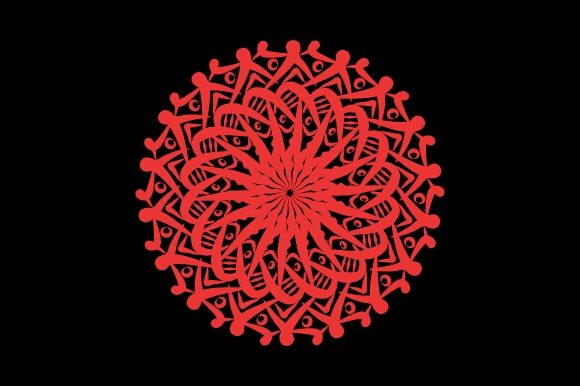
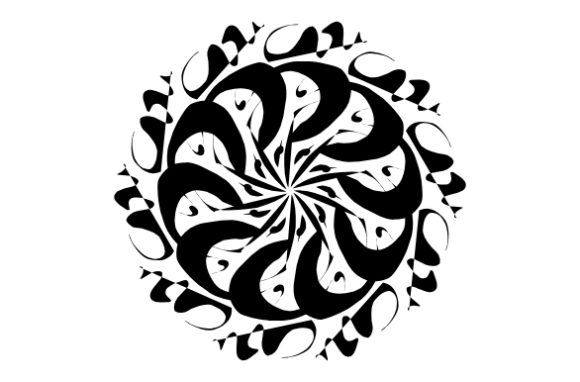
The Mandala JPG and SVG design immediately captures attention with its intricate patterns and balanced symmetry. The visual personality feels calming and meditative, making it ideal for projects that aim to evoke a sense of peace or spiritual connection. The layout is well-structured, with layers of detail that suggest both complexity and clarity. This makes it a strong candidate for custom apparel, baby items, or holiday gifts where visual appeal matters.
The theme is classic and timeless, which means it can easily fit into a variety of creative projects without feeling outdated. Whether you're working on a tote bag design, a sweatshirt embroidery, or an embroidered patch, the Mandala JPG and SVG has a universal charm that can work across different styles and audiences.
Real-World Use in Embroidery Projects
When considering real-life embroidery situations, the Mandala JPG and SVG shows promise for a wide range of applications. It works well on flat surfaces like tote bags, pillow covers, and tea towels, where the design can be fully appreciated. For custom apparel, such as t-shirts or sweatshirts, the design adds a unique touch that stands out without overwhelming the garment.
On baby clothes, the Mandala JPG and SVG can be a gentle and artistic addition, perfect for personalized gifts or nursery decor. Its detailed nature also makes it suitable for holiday embroidery, whether for Christmas, Easter, or other special occasions. As a digital embroidery file, it can be used in printable mockups or as part of a craft business’s design assets.
However, the design's complexity requires careful consideration when using it on smaller hoop sizes. If the hoop is too small, some details may get lost or require multiple hooping, which can be time-consuming. It’s best suited for larger hoops where the full design can be stitched in one go.
Where to Use Caution
While the Mandala JPG and SVG is visually appealing, there are certain scenarios where it might not perform as well. On textured fabrics, such as knits or woven materials with a rough surface, the design might not stitch as smoothly. Thin or stretchy fabrics could also pose challenges, as the stitches may pucker or distort the fabric.
For dark fabrics, the design may need a contrasting thread color to ensure visibility. If the design is going to be used on layered garments or curved surfaces like caps, extra care must be taken to ensure the stitching doesn’t bunch up or lose definition. Tiny lettering or dense stitch areas could become problematic if the design isn't optimized for those specific conditions.
It’s also important to test the Mandala JPG and SVG on scrap fabric before committing to a final project. This helps identify any potential issues with stitch density, stabilizer use, or thread color contrast that might affect the finished product.
Impact on Visual Appeal and Customer Perception
The Mandala JPG and SVG has the potential to elevate the visual appeal of any handmade product or commercial embroidery project. Its intricate details can make a finished product stand out in a crowded market, whether it's for an Etsy seller or a small shop product. When presented well, it can increase the perceived value of a product and encourage customer trust.
As a personalized gift, the design offers a level of artistry that can resonate with buyers looking for something unique. For brand consistency, it can serve as a recognizable element in a collection of products, helping to build a cohesive identity. Its versatility also makes it suitable for both personal and commercial use, provided the licensing terms allow for it.
When used correctly, the Mandala JPG and SVG can enhance the giftability of a product, making it more appealing for holidays, weddings, or other special occasions. It also supports buyer engagement by offering a design that feels both meaningful and beautiful.
Practical Designer Notes for Using Mandala JPG and SVG
Before using the Mandala JPG and SVG in an embroidery project, it's wise to test it on scrap fabric. This helps determine how the design will look after stitching and whether any adjustments are needed. Checking thread color contrast is essential, especially if the design will be used on dark or light backgrounds.
Reviewing the stitch density is another important step. If the design is too dense, it might cause the fabric to pucker or the stitches to become too thick. Confirming the proper hoop size ensures that the entire design can be stitched without cutting off parts of the image.
Inspecting small details is crucial, as some elements of the Mandala JPG and SVG might be too fine for certain fabrics or machine settings. Testing the design in black and white mockups can help visualize how it will look on different fabric colors. Comparing it on light and dark backgrounds can also reveal any visibility issues.
Using the right stabilizer is key to ensuring the design stays in place during stitching. For commercial embroidery projects, confirming the licensing terms before selling finished items or digital products is a must. This helps avoid any legal complications down the line.
Conclusion: A Versatile Design for Creative Entrepreneurs
The Mandala JPG and SVG is a versatile design that can fit into a wide range of embroidery projects. Its intricate details and calming aesthetic make it suitable for custom apparel, baby items, holiday gifts, and more. While it requires careful handling in certain situations, it has the potential to add significant value to handmade products and digital design assets.
For embroidery designers, small business owners, and crafters, the Mandala JPG and SVG offers a practical and stylish option for enhancing their creative offerings. With proper testing and consideration, it can become a valuable part of any craft business or personal project.