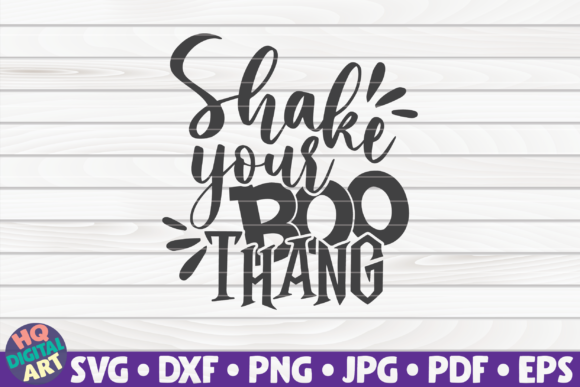
Shake Your Boo-thang SVG
As an embroidery designer and product reviewer, I’ve seen my fair share of digital designs—some that feel like a perfect fit for real projects, and others that fall flat when stitched. Shake Your Boo-thang SVG is one of the latter. While it has a fun, playful vibe that could work in the right context, it’s not without its limitations. Let me walk you through how this design performs in real-life embroidery scenarios and what to consider before using it in your next project.
The First Impression: A Playful, Bold Design
Shake Your Boo-thang SVG immediately catches the eye with its bold, stylized typography and whimsical aesthetic. The shape and layout are clean, but the design feels more like a graphic than something that would translate well into traditional embroidery. It’s got a party-ready energy, which makes it ideal for holiday or themed projects, but that same energy can be overwhelming if not used carefully.
The theme is clearly centered around fun and flair, making it a good match for items like tote bags, sweatshirts, or even baby onesies meant for special occasions. However, the detail level isn’t high enough for intricate embroidery. If you’re looking for something that will hold up under close scrutiny, this might not be the best choice.
Real-Life Embroidery Performance: Where It Works and Where It Fails
When testing Shake Your Boo-thang SVG on different fabrics, I noticed that it works best on medium-weight materials like cotton or canvas. On lighter or stretchy fabrics, the design tends to look a bit washed out, especially if the thread color doesn’t contrast well with the background. This is a common issue with bold, stylized fonts—without proper contrast, they can lose their impact.
For custom apparel like t-shirts or sweatshirts, the design holds up reasonably well, but it’s not ideal for small hoop sizes. The size of the design means you’ll need a larger hoop, which can be a challenge if you’re working with limited space. That said, it’s a solid option for embroidered patches, aprons, or pillow covers where the full scale of the design can shine.
One thing to watch out for is the stitch density. The design uses a lot of fill stitches, which can cause issues on thin or textured fabrics. If you’re planning to use it on something like a cap or a baby onesie, make sure to test it first. You don’t want to end up with a stiff, unattractive result that looks more like a patch than a seamless embroidery.
Where to Use It Carefully: Fabric, Size, and Detail
Shake Your Boo-thang SVG isn’t the best fit for every project. For instance, if you're working with dark fabric, the design might not show up as clearly as you’d hope. Similarly, on stretchy or lightweight materials, the stitches can pull or distort the fabric, leading to an uneven finish.
If you're planning to use this design on curved surfaces like caps or hats, you’ll need to adjust the hoop size and possibly add extra stabilizer to prevent shifting. Tiny lettering or detailed corners can also be problematic, as the machine may struggle to follow the design accurately. This is especially true if you’re using a lower-end embroidery machine or unfamiliar software.
Another consideration is the visual appeal of the finished product. While the design is catchy, it might not be the best choice for professional-looking handmade products that require a more refined aesthetic. If you're targeting a high-end market or selling on Etsy, you might want to pair this design with something more subtle or elegant.
Impact on Visual Appeal and Customer Trust
Embroidery is all about detail, and Shake Your Boo-thang SVG does have a certain charm that can grab attention. However, it’s not the kind of design that will elevate your brand or create a lasting impression. If you’re using it on commercial embroidery projects, you’ll need to ensure it aligns with your overall branding and target audience.
Customer trust is another factor to consider. If you’re selling personalized gifts or boutique products, the quality of the design plays a big role in how customers perceive your work. A poorly executed embroidery design can lead to negative reviews or returns, which is something to avoid at all costs.
That said, if you’re using this design for a fun, casual project—like a holiday gift or a craft fair booth item—it can still be a hit. Just make sure the final product looks polished and well-made, regardless of the design’s complexity.
Practical Designer Notes: What to Check Before Using
Before jumping into any embroidery project, always test the design on scrap fabric. This helps you see how it looks in real life and identify any potential issues early on. For Shake Your Boo-thang SVG, pay close attention to the thread color contrast, stitch density, and how it interacts with different fabrics.
Check the hoop size requirements and make sure your machine can handle the design’s dimensions. If you’re unsure, reach out to the seller or consult your machine’s manual. Also, take the time to review the design in black and white mockups to see how it stands out against various backgrounds.
Finally, always confirm the licensing terms before using the design for commercial purposes. Even though the product description mentions it’s a graphics file, it’s important to know exactly what you’re allowed to do with it. This is especially crucial if you’re an Etsy seller or running a small shop.
Final Thoughts: A Fun Design with Practical Limitations
Shake Your Boo-thang SVG is a design that’s more suited for casual, themed projects rather than high-end or commercial embroidery. Its bold style and playful tone can be a great fit for certain applications, but it requires careful consideration when it comes to fabric choice, hoop size, and stitching technique.
If you’re an embroidery designer or small business owner looking for something that’s easy to use and visually engaging, this design might work for you. But if you’re aiming for a more refined or professional look, you might want to explore other options. As always, test, tweak, and make sure the final product meets your standards before presenting it to customers.