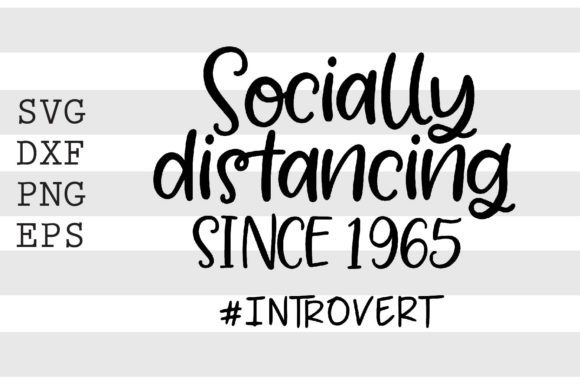
Socially Distancing Since 1965. SVG
As a designer and embroidery product reviewer, I often find myself evaluating machine embroidery designs for real-world use. Socially Distancing Since 1965.. SVG caught my attention not just for its clever wording, but for how it could translate into practical embroidery projects. This design is a great fit for mugs and shirts, but its potential goes beyond that. Let’s break down what this SVG offers in terms of usability, visual appeal, and practicality for real projects.
The First Impression: A Design That Speaks Volumes
Socially Distancing Since 1965.. SVG has a nostalgic, slightly humorous vibe that immediately sets the tone for a project. The layout is clean and well-structured, with a bold font that makes it easy to read at a glance. It’s a design that feels like it belongs on casual wear—think t-shirts, sweatshirts, or tote bags. The shape and theme are simple enough to work across different fabrics and sizes, making it versatile for a range of applications.
What stands out is the balance between text and visual elements. There’s no overwhelming detail, which is a relief when working with small hoop sizes or delicate fabrics. The design’s personality is friendly and approachable, which can be a big plus for handmade products or personalized gifts.
Real-Life Embroidery Scenarios: Where Does It Shine?
When considering where to use Socially Distancing Since 1965.. SVG, it fits naturally into custom apparel, baby clothes, and holiday gifts. Imagine an embroidered tote bag for a local market or a sweatshirt for a boutique brand. The design is clear and legible, even when stitched at smaller sizes, which is a key factor for many crafters and small business owners.
This SVG works well as an embroidered patch, especially for caps, jackets, or backpacks. Its simplicity also makes it a good candidate for applique designs, where the contrast between fabric and stitching can add depth. For a more decorative touch, it could be paired with satin stitch or fill stitch to enhance the visual impact.
It’s also a solid choice for printable mockups and digital product previews. The design doesn’t require high stitch density, which means it’s less likely to cause issues on textured or stretchy fabrics. That makes it a safe bet for commercial embroidery projects, especially when working with clients who want something unique but not overly complex.
Where to Be Careful: Potential Pitfalls
While Socially Distancing Since 1965.. SVG is generally user-friendly, there are some situations where it may not perform as well. On thin or dark fabrics, the thread color contrast becomes critical. If the design is too light on a dark background, it might not stand out as intended. Similarly, on stretchy or textured materials, the stitches could pull or distort, so using the right stabilizer is essential.
For small hoop sizes, the design might need to be scaled down, which could affect the clarity of the text. Tiny lettering or intricate details could become lost if not handled carefully. It’s also important to test the design on different fabric types before committing to a large batch of finished products.
When used on curved surfaces like caps or baby items, the design may require slight adjustments to ensure proper placement and stitching. For layered garments or items that will be washed frequently, the durability of the stitches should be considered. A running stitch might not hold up as well as a more secure fill stitch in such cases.
Visual Appeal and Customer Perception
Socially Distancing Since 1965.. SVG has a strong visual presence that can elevate the perceived value of a handmade product. Its clarity and simplicity make it easy to recognize, which is crucial for branding and giftability. Customers often appreciate designs that are both meaningful and visually appealing, and this one checks both boxes.
For small shop merchandise or Etsy listings, the design adds a professional touch without being over-the-top. It’s the kind of design that can be used across multiple product lines—whether it’s a custom apron, a pillow cover, or a kitchen towel. The versatility helps in maintaining brand consistency while offering variety to customers.
From a buyer engagement standpoint, the design is relatable and memorable. It speaks to a shared experience, which can create a connection with the audience. That emotional resonance is valuable for creative entrepreneurs looking to build a loyal customer base.
Practical Designer Notes: What to Check Before Using
Before finalizing any project with Socially Distancing Since 1965.. SVG, I recommend testing the design on scrap fabric first. This helps identify any issues with stitch density, thread color, or fabric compatibility. It’s also wise to review the file for any hidden elements that might not show up clearly in the final embroidery.
If you’re planning to sell finished items or digital products, double-check the licensing terms. While the design seems suitable for personal and commercial use, it’s always better to confirm. For a more polished look, consider using a proper stabilizer, especially when working with delicate or stretchy fabrics.
Lastly, don’t overlook the importance of mockups. Whether you’re creating a printable mockup for your website or preparing a sample for a client, seeing how the design looks on different backgrounds can help you make informed decisions about thread colors and placement.
Final Thoughts: A Design Worth Considering
Socially Distancing Since 1965.. SVG is a solid choice for a wide range of embroidery projects. Its clean layout, thoughtful design, and adaptability make it a valuable addition to any craft business or personal collection. Whether you’re creating custom apparel, personalized gifts, or small shop merchandise, this design has the potential to stand out and resonate with your audience.
As with any machine embroidery design, the key to success lies in understanding its strengths and limitations. By taking the time to test, adjust, and refine your approach, you can ensure that Socially Distancing Since 1965.. SVG becomes a reliable and effective part of your creative workflow.